Confused between POP, gypsum board and PVC false ceilings? Our expert breakdown of pros, cons, costs and design possibilities helps you make the perfect choice.
False ceilings have become an essential element of modern Mumbai home design. They conceal electrical wiring, improve acoustics, allow for recessed and cove lighting, and dramatically transform a room's aesthetic. But which material is right for your home?
POP (Plaster of Paris) False Ceilings
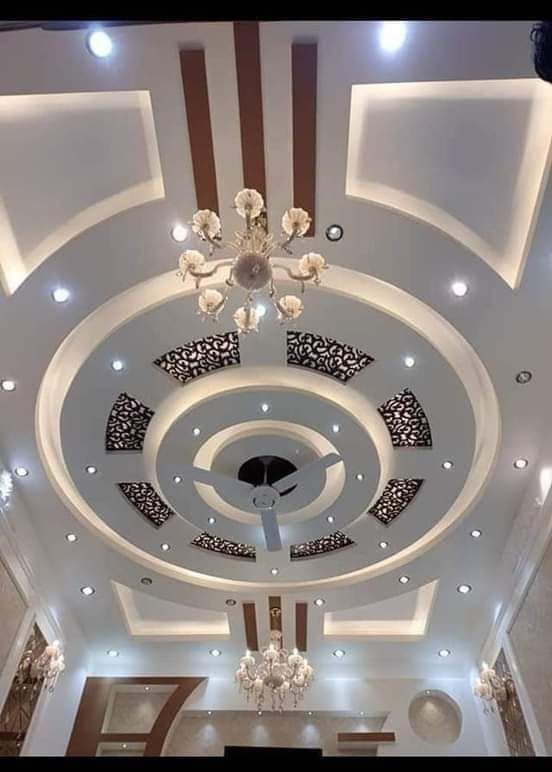
POP is a traditional, proven material for false ceilings and decorative wall elements. It is mixed with water on-site and applied by skilled plasterers.
Advantages:
- Allows highly intricate, custom 3D designs — arches, cornices, medallions, coves.
- Seamless finish — no visible joints.
- Can be repaired easily and repainted.
- Cost-effective for elaborate decorative work.
Disadvantages:
- Requires skilled labour — quality varies with craftsman.
- Heavier than gypsum, needs proper ceiling support.
- Longer installation time (wet process, drying time needed).
Best for: Living rooms, dining areas, and anywhere you want maximum design flexibility and ornate details.
Gypsum Board False Ceilings
Gypsum boards (also called drywall or plasterboard) are factory-made panels fixed to a metal framework.
Advantages:
- Faster installation — dry process, no curing time.
- Excellent for straight-line modern designs.
- Good acoustic and thermal insulation properties.
- Lighter than POP, suitable for higher floors.
- Consistent quality regardless of craftsman.
Disadvantages:
- Limited to flat or simple curved designs.
- Joints can show over time in humid environments.
- Repairs can be more visible than POP.
Best for: Bedrooms, offices, kitchens, and any space with a clean, modern aesthetic requirement.
PVC False Ceilings
PVC panels are plastic tongue-and-groove planks that slot together to form a ceiling.
Advantages:
- Completely waterproof — ideal for bathrooms and kitchens.
- Very easy to install and replace.
- Low maintenance, easy to clean.
- Most affordable option.
Disadvantages:
- Limited aesthetic options — mostly plain or wood-grain finishes.
- Can look inexpensive in living areas.
- Not suitable for high-end residential design.
Best for: Utility areas, bathrooms, servant quarters, storage rooms.
Our Recommendation
For a full home renovation in Mumbai:
- Living room and master bedroom: POP for intricate coves and decorative elements.
- Secondary bedrooms and study: Gypsum board for clean, modern lines.
- Kitchen and bathrooms: PVC for moisture resistance and easy maintenance.
SR Grand Enterprises offers all three options. Our expert team advises on the right material for each room during the initial design consultation.